


Size Guide
Size Guide
Find a comfortable starting point for training, running, studio sessions and everyday movement. Use your body measurements first, then consider how you want each piece to feel.
This page is a general Movaryn fit reference. Individual styles can vary in stretch, construction and intended silhouette, so product-specific fit notes should always take priority when available.
Fit in Motion
Fit should support the way you move.
From controlled studio movement to high-intensity training and functional layering, the right fit balances comfort, mobility and the intended silhouette of each activewear style.
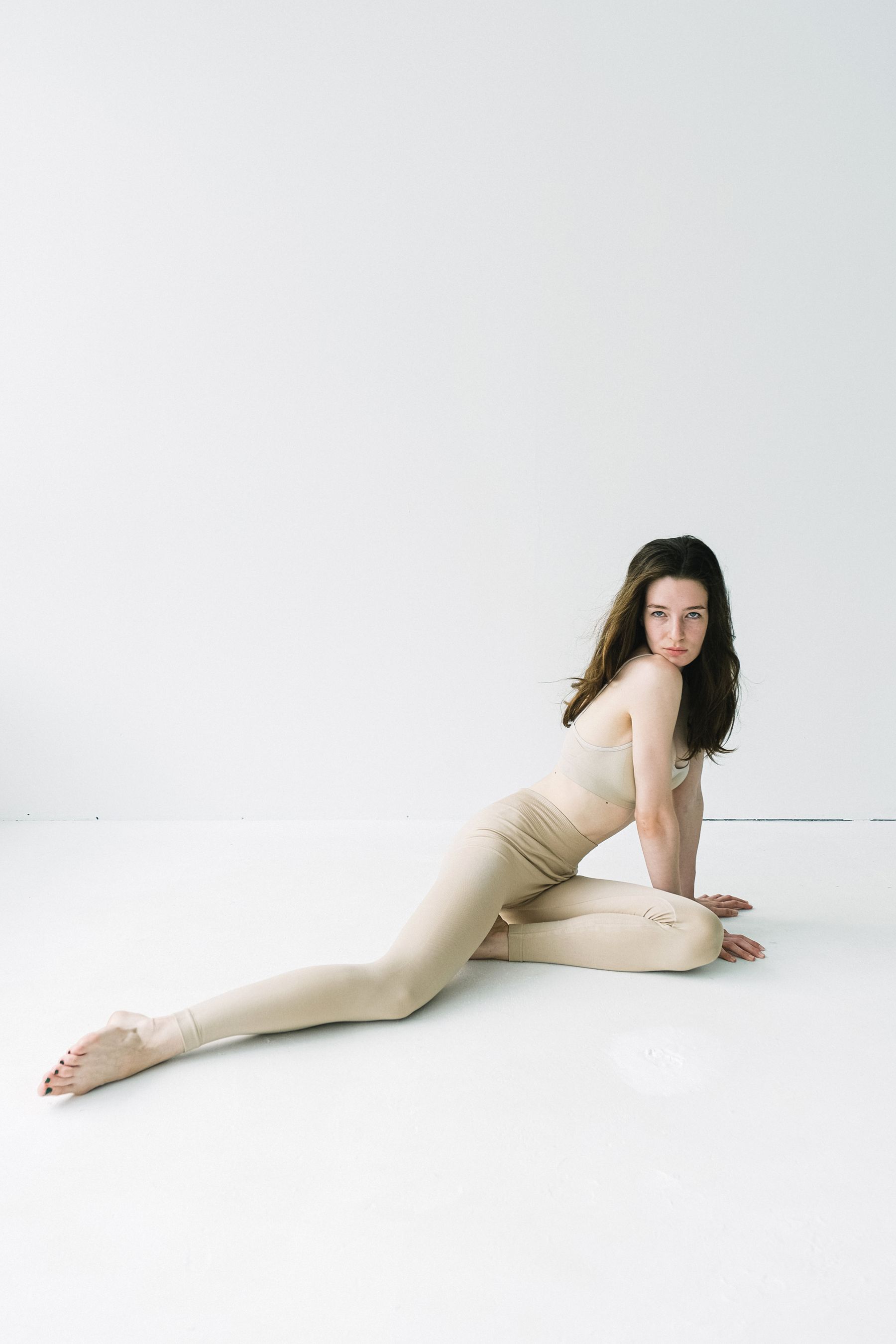
Start from your body, not the label.
Use relaxed body measurements as the foundation before considering compression, stretch and styling preference.
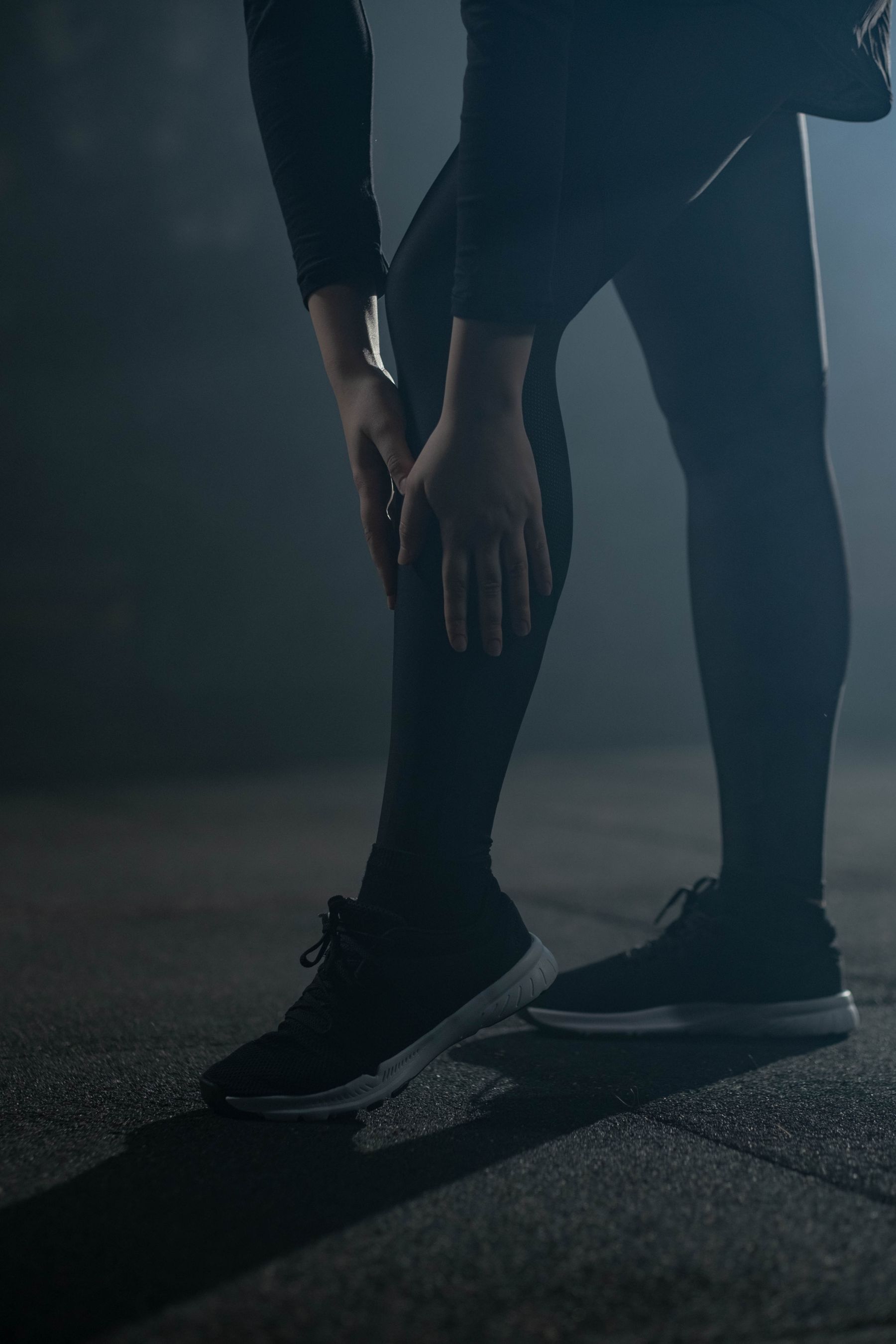
Leave room for movement.
Training apparel should move through bending, stretching and rotation without creating unnecessary restriction.
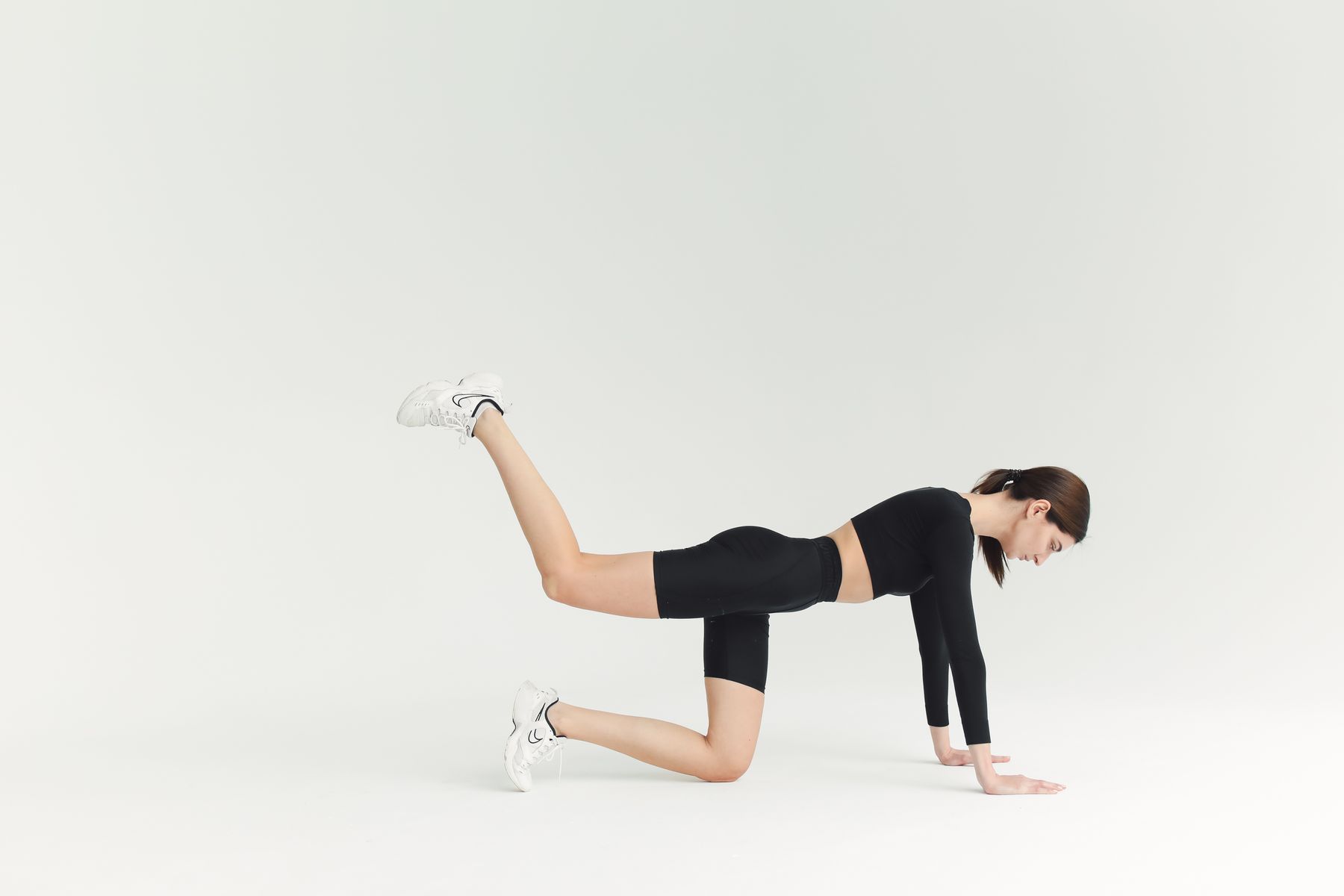
Stretch changes how a fit feels.
Fitted studio pieces can sit close to the body while still allowing natural, controlled movement.
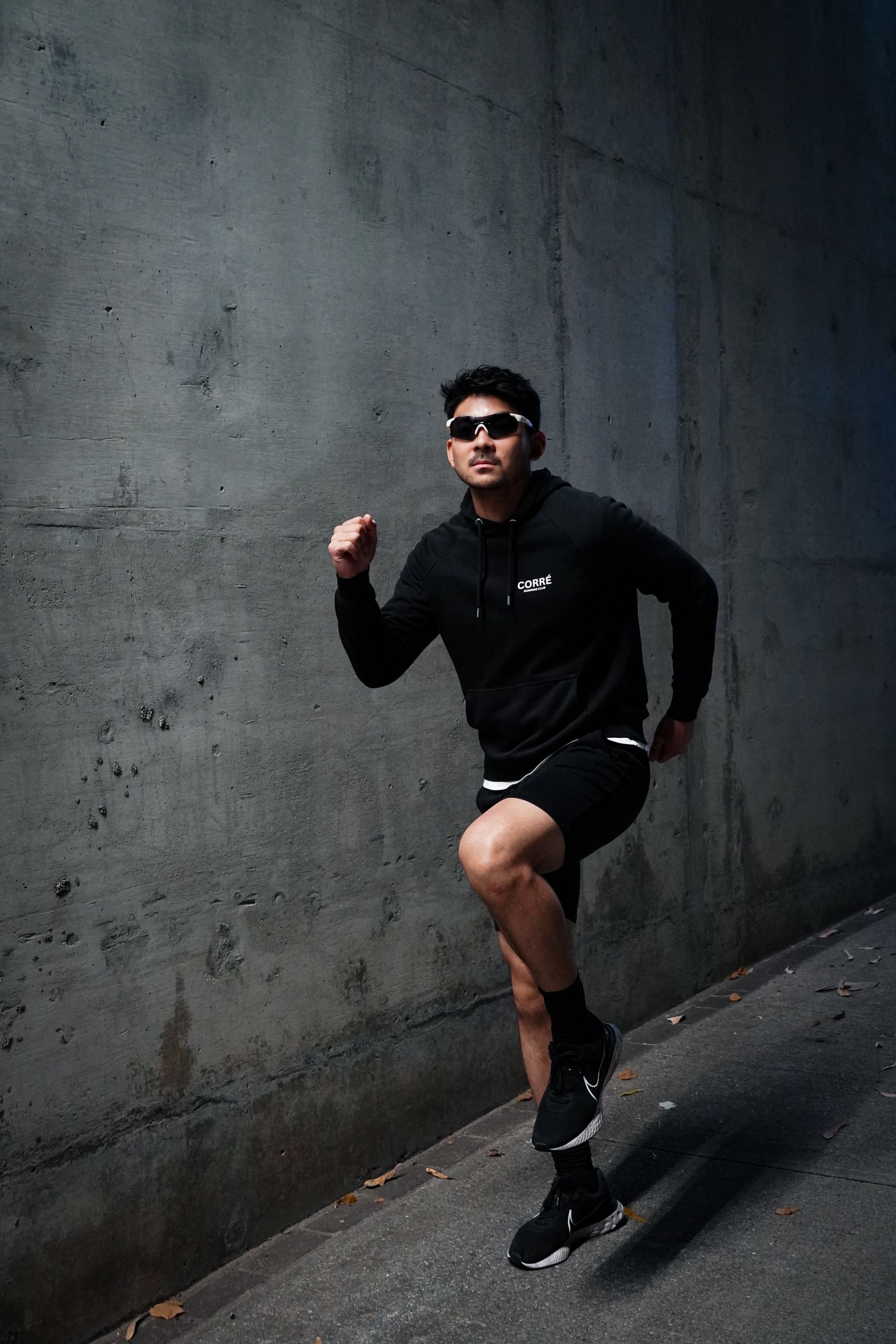
Consider what sits underneath.
Outer layers should leave enough room for a performance tee or midlayer without limiting the shoulders or arms.
Body Measurement Charts
Start with your measurements.
Choose the size that most closely matches your body measurements. For fitted or compression-led activewear, use the measurement most important to that garment. For layers, consider the space you want underneath.
Women’s General Body Measurements
Useful for active tops, sports bras, leggings, shorts, flare pants, performance layers and sets.
| Size | Bust | Waist | Hip |
|---|---|---|---|
| XS | 30–32 | 24–26 | 34–36 |
| S | 32–34 | 26–28 | 36–38 |
| M | 34–36 | 28–30 | 38–40 |
| L | 36–39 | 30–33 | 40–43 |
| XL | 39–42 | 33–36 | 43–46 |
| XXL | 42–45 | 36–39 | 46–49 |
| 3XL | 45–48 | 39–42 | 49–52 |
Measurements refer to the body, not the garment. Stretch, compression and intended silhouette may affect the fit of an individual style.
Active Tops
Use bust measurement first, then waist if the silhouette is close to the body.
Sports Bras
Begin with bust measurement and consider whether you prefer firmer or more relaxed support.
Leggings & Bottoms
Prioritize waist and full hip, especially for fitted leggings, shorts and flare silhouettes.
Layers & Sets
For layers, allow room underneath. For sets, choose around the measurement that needs more space.
Men’s General Body Measurements
Useful for performance tees, tanks, compression tops, running shorts, joggers, hoodies, windbreakers and functional layers.
| Size | Chest | Waist | Hip |
|---|---|---|---|
| XS | 33–35 | 27–29 | 33–35 |
| S | 35–37 | 29–31 | 35–37 |
| M | 37–40 | 31–34 | 37–40 |
| L | 40–43 | 34–37 | 40–43 |
| XL | 43–46 | 37–40 | 43–46 |
| XXL | 46–49 | 40–43 | 46–49 |
| 3XL | 49–52 | 43–46 | 49–52 |
Measurements refer to the body, not the garment. Performance construction and intended layering can change how an individual style feels.
Performance Tops
Use chest measurement as the primary reference for tees, tanks and training tops.
Compression Tops
A close feel is intentional. Size according to chest unless you prefer reduced compression.
Shorts & Joggers
Use natural waist first, then hip if you need more room through the seat and upper leg.
Outer Layers
If you plan to wear a base or midlayer underneath, consider the room you need through the chest.
How to Measure
Four measurements. One clearer fit.
Use a flexible measuring tape and keep it parallel to the floor where appropriate. Avoid pulling it tight against the body.
Bust / Chest
Measure around the fullest part, keeping the tape level across the back and under the arms.
Natural Waist
Measure around the narrowest part of your torso without holding your breath or pulling the tape tight.
Full Hip
Stand with your feet together and measure around the fullest point of the seat and hips.
Inseam
Measure from the upper inner thigh down to your preferred hem position while standing naturally.
Fit Preference
Choose the feel, not only the number.
Activewear can be designed to sit close, stretch through movement or leave room for layering. Use the intended silhouette and your personal preference when deciding between two sizes.
Compression
Designed to feel close and supportive against the body. A firm sensation can be intentional in compression-led training pieces.
Close athletic feelFitted
Follows the body with controlled stretch while leaving enough mobility for training, running and studio movement.
Body-following silhouetteRegular
Balanced room through the body for versatile daily movement without creating an intentionally loose silhouette.
Everyday performance fitRelaxed
More ease through the body and limbs, suitable for warm-ups, recovery, layering and casual movement.
More room to moveBetween Sizes
Use the garment’s purpose to decide.
When your measurements sit between two sizes, think about how the garment will move with you and what you plan to wear with it.
For a closer training feel
Choose the size closer to your smaller measurement when the style is designed with stretch.
For more everyday ease
Choose the larger size when you prefer extra room through the waist, hip, chest or upper leg.
For jackets and layers
Allow space for the base layers you expect to wear underneath during training or outdoor movement.
For two-piece sets
Use the measurement of the piece that needs the most room as your main size reference.
Fit Questions
Size guide FAQ
A few practical notes for choosing activewear across different silhouettes, movement types and layering needs.
Should I use body measurements or garment measurements?
Use your body measurements as the starting point on this page. If an individual product provides a more specific fit or garment measurement note, use that information as the primary reference.
What should I do if my waist and hip suggest different sizes?
For fitted bottoms, choose around the measurement that needs more room. Stretch can help refine the fit, but the fullest measurement is usually the safer starting point.
Should compression styles feel tighter?
Compression-led pieces are intended to sit closer to the body than regular activewear. The fit should feel secure without preventing natural movement or comfortable breathing.
How should I choose a size for performance layers?
Consider what you plan to wear underneath. If the layer will usually sit over a tee, thermal or midlayer, allow enough room through the chest, shoulders and arms for unrestricted movement.
Does one size chart apply to every Movaryn product?
This is a general body measurement reference. Different activewear constructions, stretch levels and silhouettes can fit differently, so always review product-specific information when available.
Need More Guidance?
Find the fit that moves with you.
If you are still deciding between sizes, our support team can help you compare your measurements with the type of activewear you are considering.